Lighting is a crucial element in interior design that goes beyond mere illumination. The color temperature of light can dramatically influence the ambiance, mood, and functionality of a space.
Understanding the impact of warm and cool tones in lighting can help you create the perfect atmosphere for any room in your home.
I. Understanding Color Temperature
Color temperature is measured in Kelvins (K) and ranges from warm (yellowish) to cool (bluish) tones. Typically, the scale runs from 2000K to 6500K:
| Light Type | Color Temperature (Kelvin) |
| Warm Light | 2700K – 3000K |
| Neutral Light | 3100K – 4500K |
| Cool Light | 4600K – 6500K |
II. The Effects of Warm Lighting
Warm lighting, with its yellowish to orange hues, creates a cozy and inviting atmosphere. It’s reminiscent of candlelight or the soft glow of sunset, evoking feelings of comfort and relaxation.
Benefits of Warm Lighting:
- Creates a welcoming ambiance
- Enhances skin tones, making people appear more attractive
- Complements warm color schemes (reds, oranges, yellows)
- Ideal for relaxation spaces like living rooms and bedrooms
Considerations:
- May make a space feel smaller or more enclosed
- Can make cool colors appear muted or dull
III. The Effects of Cool Lighting
Cool lighting, with its bluish-white tones, mimics natural daylight. It creates a crisp, clean atmosphere that promotes alertness and focus.
Benefits of Cool Lighting:
- Enhances productivity and concentration
- Makes spaces appear larger and more open
- Complements cool color schemes (blues, greens, purples)
- Ideal for task-oriented spaces like offices and kitchens
Considerations:
- Can feel harsh or clinical if not balanced properly
- May not be conducive to relaxation in living spaces
IV. Balancing Warm and Cool Tones
The key to effective lighting design is finding the right balance between warm and cool tones. This can be achieved through layered lighting and smart bulb choices.
Layered Lighting:
- Ambient lighting: Use warm tones for general illumination to create a comfortable base.
- Task lighting: Incorporate cooler tones for focused activities like reading or cooking.
- Accent lighting: Mix warm and cool tones to highlight architectural features or artwork.
V. Room-by-Room Lighting Guide : Warm vs Cool
Here’s a simple guide to help you choose the right lighting for each room, making your home feel more comfortable and functional.
1. Living Room
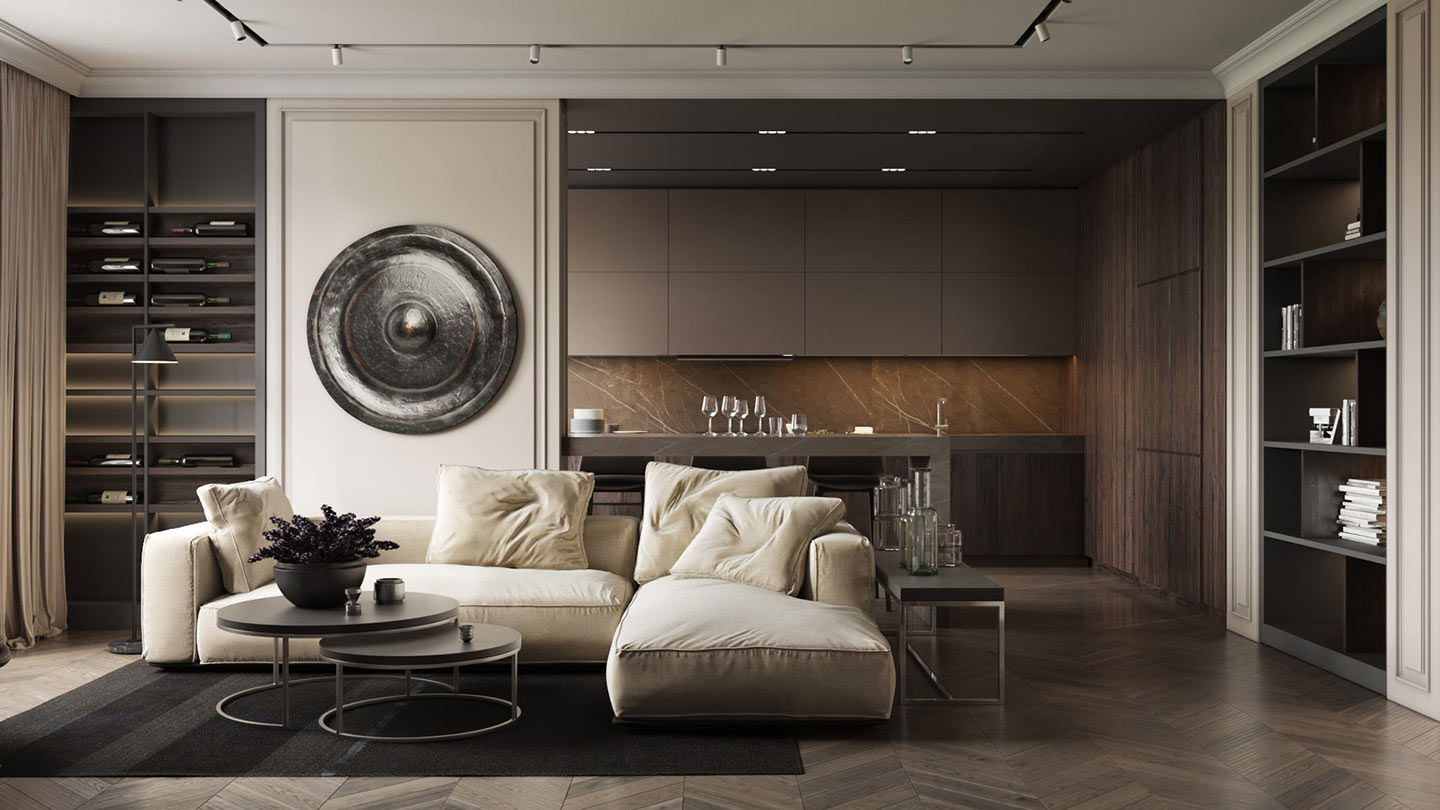
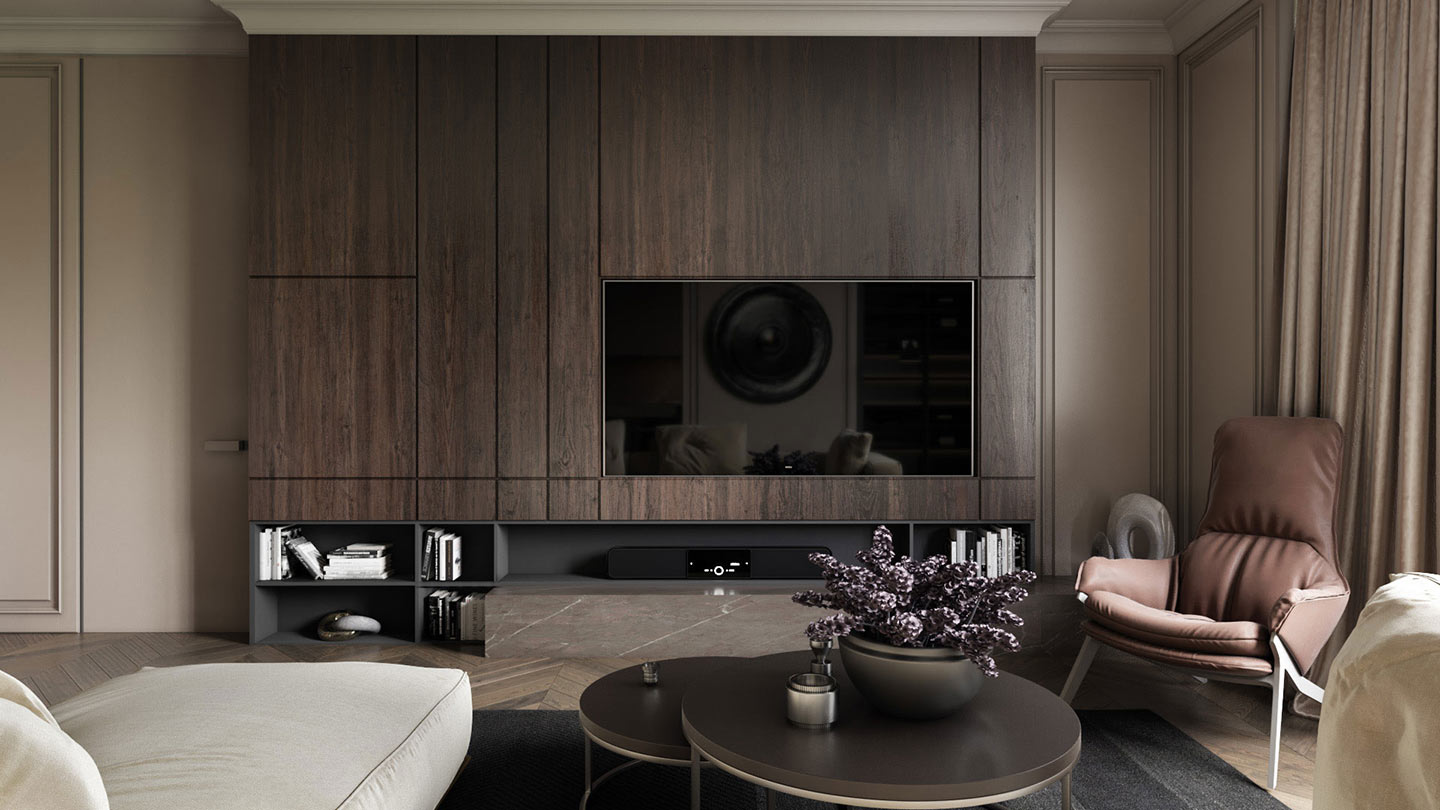
Opt for warm lighting to create a cozy atmosphere for relaxation and socializing. Use a combination of floor lamps, table lamps, and dimmable overhead lighting to create a layered effect.
2. Kitchen
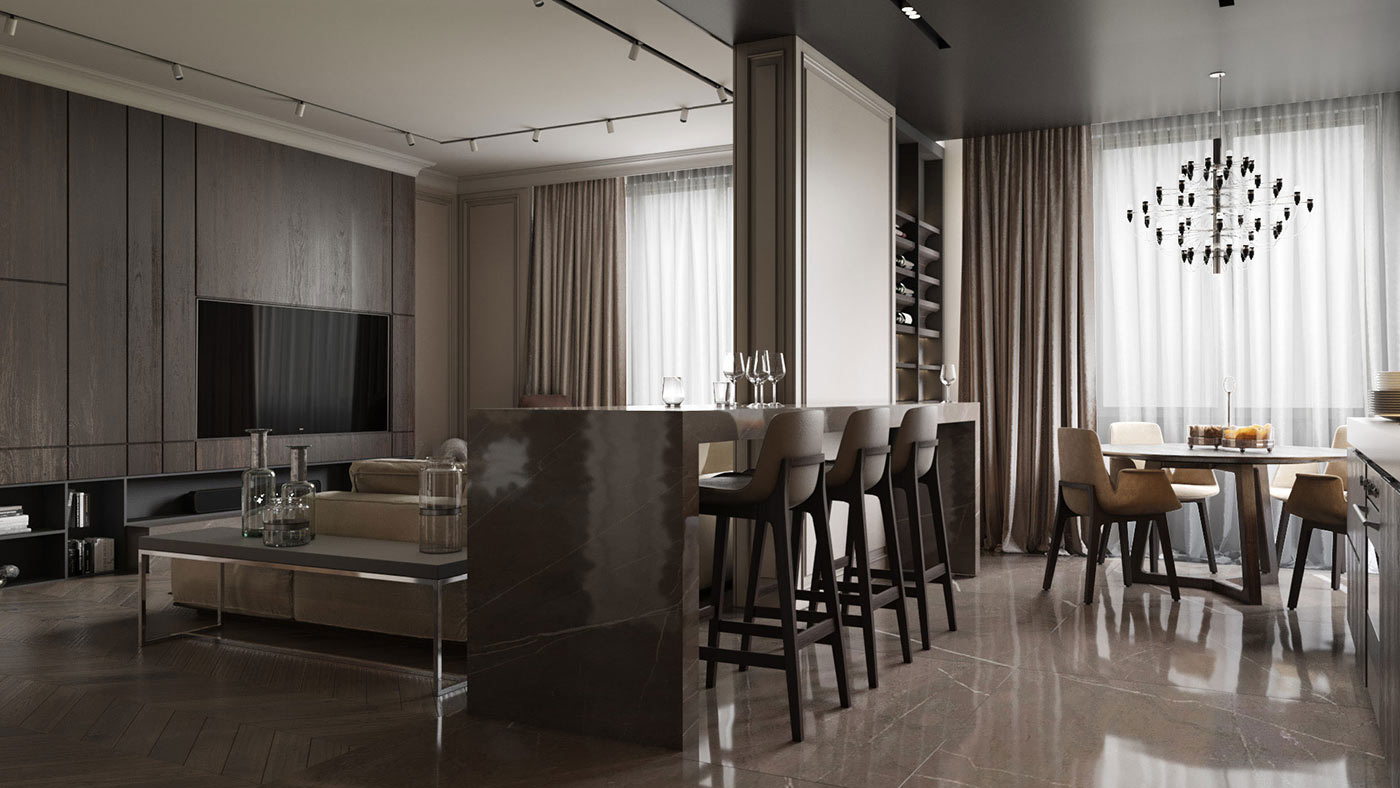
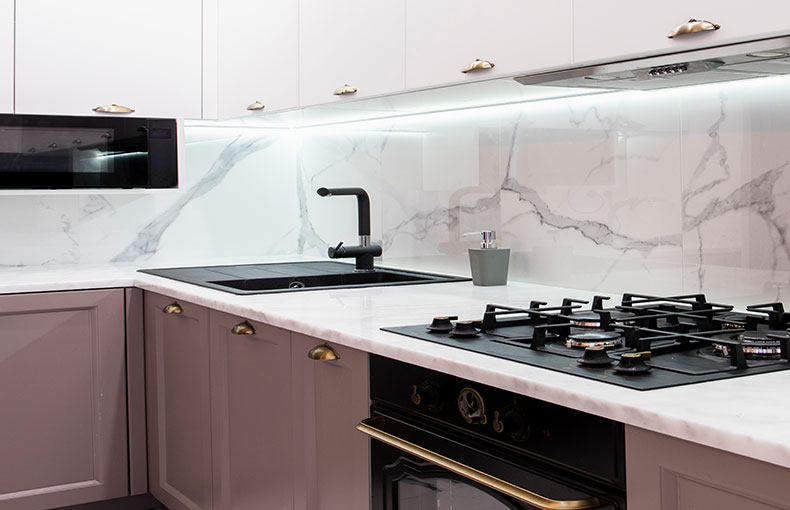
Combine cool lighting for task areas (countertops, stove) with warmer tones for dining areas. Under-cabinet lighting in a cool temperature can enhance visibility for food preparation.
3. Bedroom
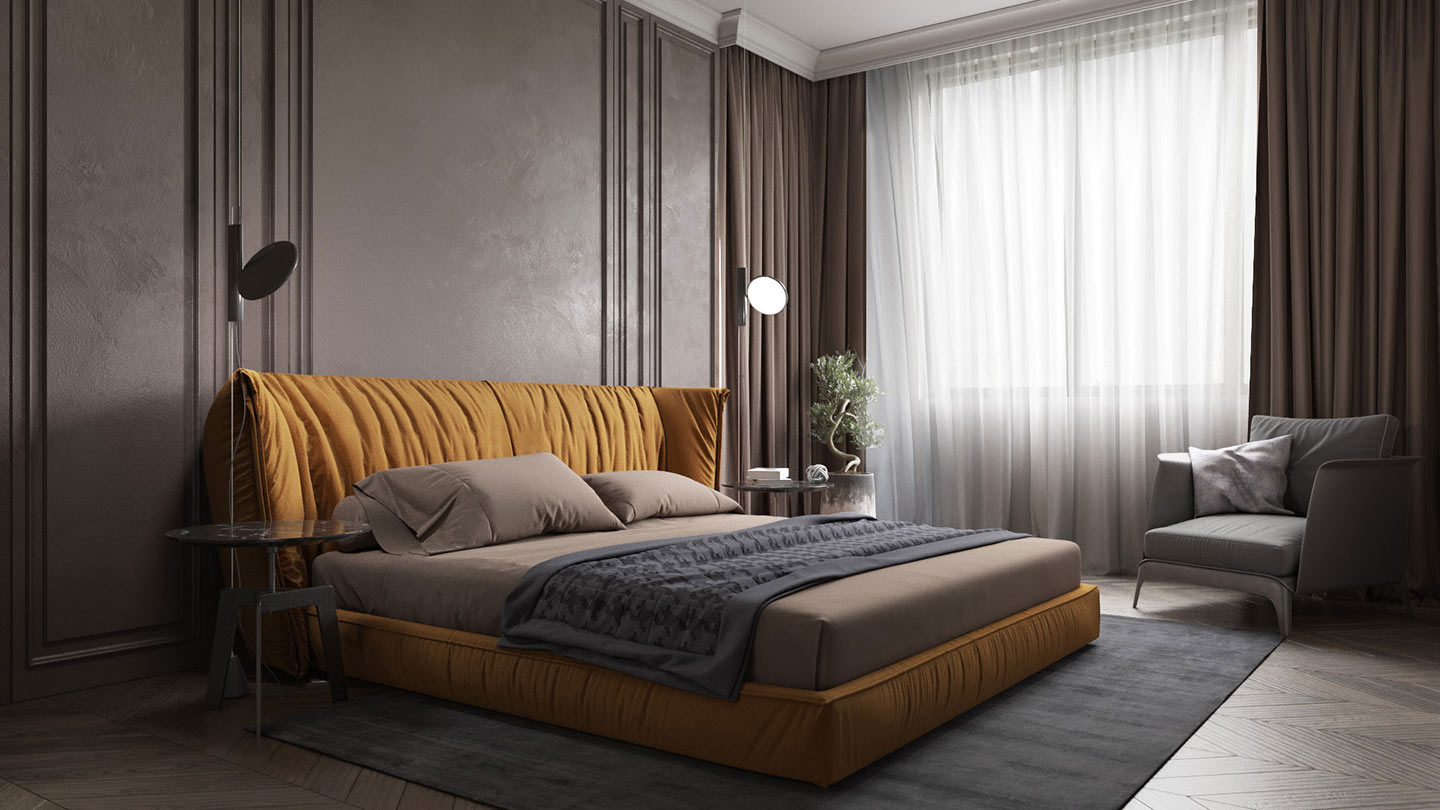
Prioritize warm lighting to promote relaxation and prepare the body for sleep. Include dimmable options and bedside lamps with warmer bulbs for reading.
4. Home Office
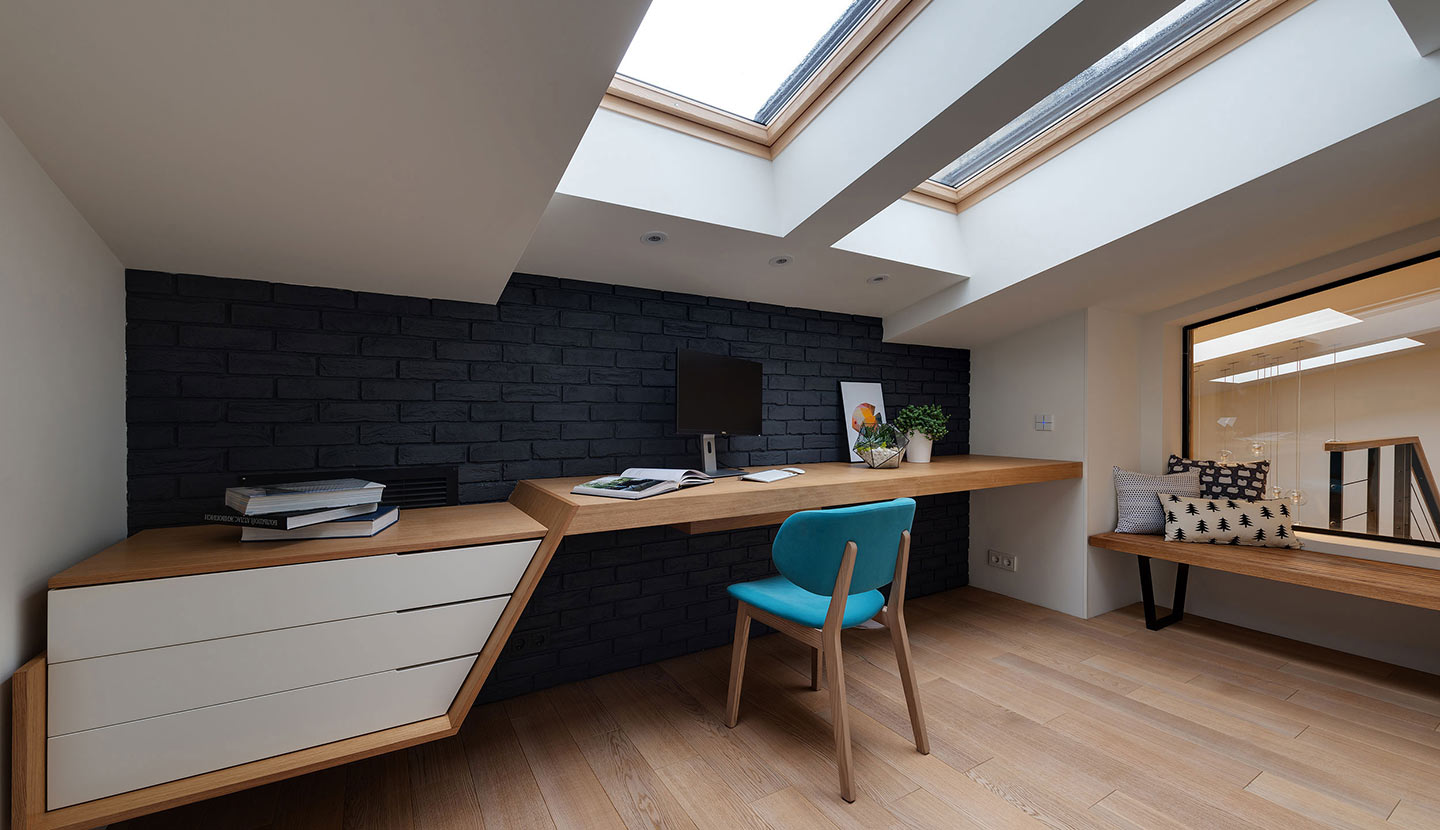
Use cool lighting to enhance focus and productivity during work hours. Consider adjustable temperature lighting to transition to warmer tones in the evening.
5. Bathroom
Combine cool lighting around mirrors for grooming tasks with warmer ambient lighting for a spa-like atmosphere.
VI. The Impact on Color and Decor
The color temperature of your lighting can significantly affect how paint colors and decor appear in your space:
- Warm lighting enhances warm colors and mutes cool colors
- Cool lighting brings out the vibrancy in cool colors but can make warm colors appear dull
Consider testing your paint colors and fabrics under different lighting temperatures before making final decisions.
Energy Efficiency and Mood
While choosing between warm and cool lighting, also consider the energy efficiency and long-term effects on mood:
- LED bulbs are available in various color temperatures and are highly energy-efficient
- Exposure to cool lighting in the evening can disrupt sleep patterns by suppressing melatonin production
- Warm lighting in the evening can help prepare the body for rest
Conclusion
The choice between warm and cool lighting tones plays a significant role in shaping the atmosphere and functionality of your space. By understanding the effects of different color temperatures and strategically implementing them throughout your home, you can create environments that not only look beautiful but also support your well-being and daily activities.
FAQ’s
1.Which color temperature works best for lighting outdoor sports areas?
Cool white light (5000K-6500K) is ideal for outdoor sports. It provides high visibility and contrast, making it easier for players and spectators to follow the action. It’s also energy-efficient, which is important for lights that need to stay on for extended periods.
2. What’s the best color temperature to create a warm and cozy atmosphere in a bedroom?
Warm white lighting (2700K-3000K) is ideal for a cozy bedroom. It creates a soft, inviting atmosphere that helps you relax and unwind. Avoid cool white lighting, as it can make the space feel harsh and less soothing.
3.What color temperature is recommended for reading lamps?
For reading lamps, a warm white light (2700K-3000K) is usually best. It reduces eye strain and creates a comfortable environment for extended reading sessions without being too harsh or glaring.
4.How does the color temperature of lighting affect the quality of your sleep?
Blue light from cool or daylight-colored lighting can mess with your sleep by reducing melatonin production, making it harder to fall asleep. For better sleep, switch to warmer lighting in the evening, which is less likely to disrupt your natural sleep patterns.
5.What’s the ideal lighting color temperature for makeup application?
For makeup application, aim for lighting between 5000K and 6500K. This cool, daylight-like light helps you see your true skin tone and makeup colors, making it easier to apply makeup accurately and avoid any color mismatches.